A meaningful moment can change when you begin composing its caption. Instead of noticing what the experience meant to you, you may start anticipating how other people will interpret it. A private spiritual practice gives some experiences time to develop before they become material for an audience.
Privacy does not require hiding your beliefs or withdrawing from people who support you. It means choosing what to share, with whom, and when. I feel there is value in having a part of your inner life that does not need immediate approval, explanation, or a photograph.
Make three sharing circles
Think in terms of what is only for you, what belongs with a trusted person, and what you are comfortable making public. A journal entry about a new doubt may belong in the first circle. A question about a practice may belong with an experienced friend. A general reflection can be appropriate for a wider audience once you have considered its boundaries.
These circles can change. Something kept private today may become useful to share later, especially if your experience can help someone feel less alone. The important point is that the change is your choice. An interesting experience does not create an obligation to publish it while you are still trying to understand it.
Separate your experience from other people’s information
Before sharing a spiritual reflection involving someone else, remove details that are not yours to disclose. A lesson about forgiveness does not require identifying the person you are angry with. A story about intuition does not require exposing a relative’s private struggle. Even a flattering account can cross a boundary when another person never agreed to become part of your public narrative.
Ask whether the meaning survives without names, exact dates, locations, photographs, or distinctive circumstances. If those details are essential to making the post compelling, pause. You may be sharing another person’s story under the cover of describing your own growth. Consent matters more than a beautiful ending.
Give yourself a delay before posting
Try writing a private version first, then wait a day before deciding what to share. Read it again without imagining a response. Which lines express your experience, and which lines are performing certainty or seeking reassurance? Keep the honest parts even if you never turn them into a public statement.
If friends ask why you have become quieter online, a simple answer is enough: “I’m keeping some reflection offline for now.” You do not have to make a dramatic announcement about leaving social media. Continue participating in ways you enjoy while allowing certain rituals, questions, and discoveries to remain unobserved.
Privacy becomes unhealthy if it is imposed to isolate or control you. Chosen privacy feels different: you can seek support and ask questions, while retaining the freedom not to display everything. Let your practice have a room of its own, even if that room is simply a page nobody else reads.
Explore private readings with Melissa.
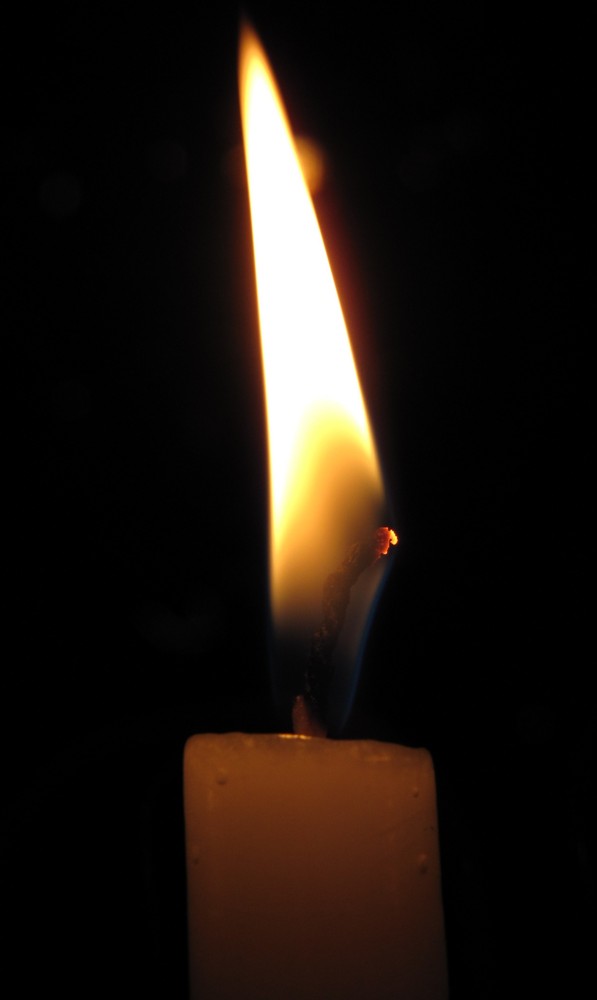
Representative real candle photograph for private spiritual reflection. Photo: Leoadec; CC BY-SA 3.0. Display copy resized. Original photograph and attribution. License terms.

