A place can feel meaningful long before you understand its history. You may want to bring home a stone, a handmade object or something associated with a local spiritual tradition. Choosing a spiritual keepsake begins with a simple distinction: feeling connected to something does not automatically make it yours to collect, purchase or reproduce.
I feel a good keepsake helps you remember a relationship with a place rather than proving that you possessed part of it. Sometimes the most respectful object is one made for visitors. Sometimes it is a photograph you were permitted to take, a written memory or nothing physical at all.
Check permission before assigning meaning
Do not remove objects from a shrine, grave, memorial, protected landscape or another person’s property. A small item may have a purpose you cannot see. Before collecting natural material, check the rules of that particular location. If permission is unclear, leave it where it is. Personal symbolism does not overrule the people responsible for the place.
Photographs need consideration too. Look for posted rules and ask before photographing a ceremony or a person. A moment that would make a moving image for you may be private worship for someone else. When photography is not welcome, write down what you learned after leaving rather than trying to capture it discreetly.
Learn what the object is intended for
When buying from a maker, ask what the piece represents and whether it is intended for general use. Listen without asking the seller to condense an entire tradition into a sales pitch. Distinguish a decorative item from an object connected to a practice that requires training, permission or community participation.
Prefer clear information about who made the object and where it came from. A vague label calling something ancient or sacred is not a history. You can admire an item while declining to buy it if the account does not make sense. Neither a high price nor a dramatic story establishes authenticity.
Make the memory specific and honest
Once home, keep a short note with the item: where you obtained it, the maker’s name if known, what you were told and what remains uncertain. Separate those facts from your own interpretation. “This reminds me to travel more slowly” is a personal meaning; it need not become a claim about what an entire culture believes.
If you choose not to bring an object home, create a modest alternative. Record a phrase you heard with permission, sketch a landscape from memory or write a promise about how you will act differently. Avoid copying protected designs or presenting your own version as an authentic ceremonial tool.
The strongest keepsake is not necessarily the rarest one. It is something you can explain without exaggeration and keep without ignoring another person’s boundaries. Let the memory deepen your respect for the place, rather than becoming a reason to take more from it.
Explore private readings with Melissa.
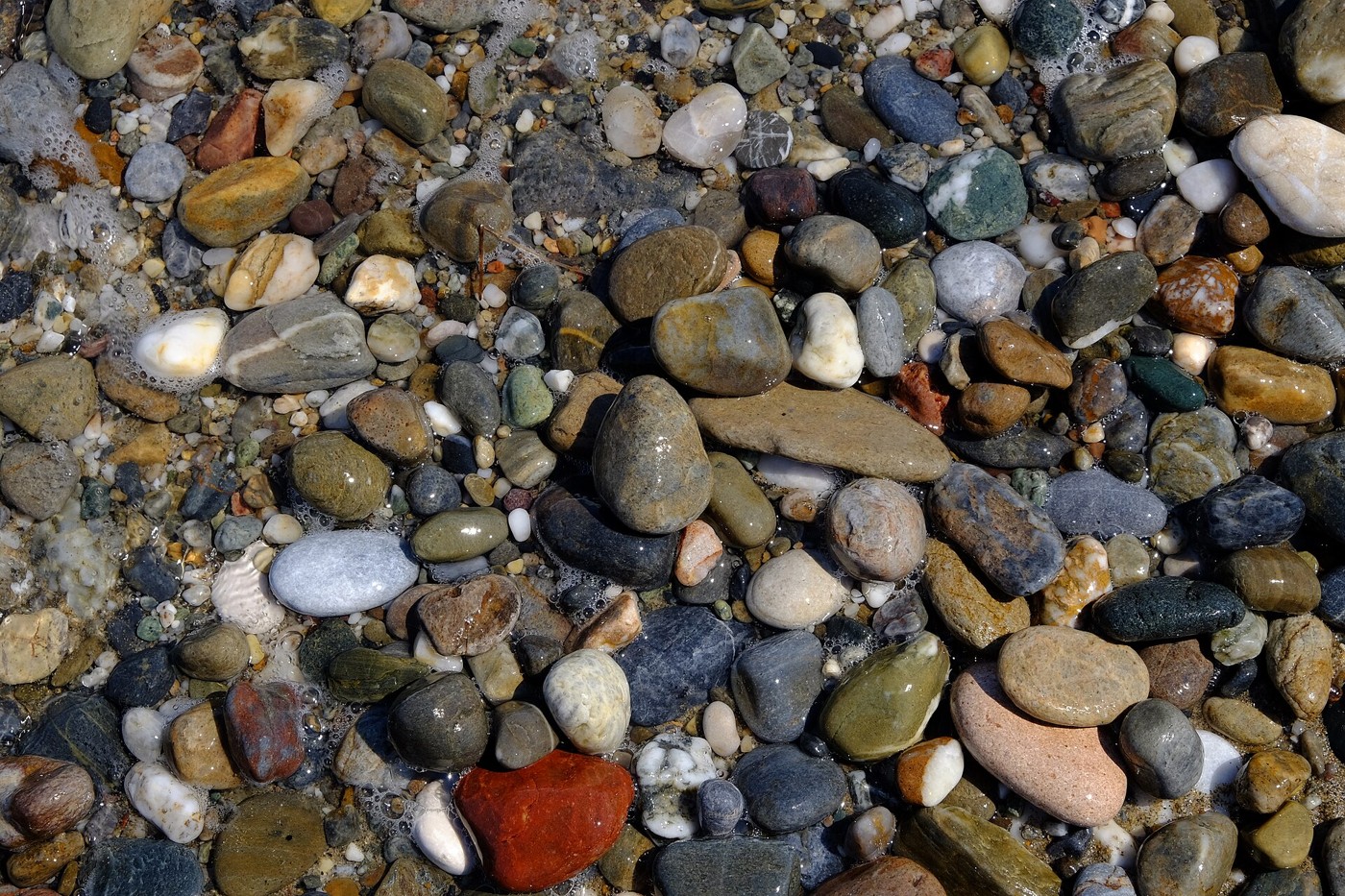
Representative real beach-pebble photograph. Shown in place; not an invitation to collect material or an item taken from a sacred site. Photo: Quim Gil; CC0. Display copy resized. Original photograph and attribution. License terms.

